Choosing the right cement is important for achieving a suitable result on building, repair, construction and maintenance projects.
Whether you’re working on concrete, mortar, brickwork, paving or general building work, selecting the appropriate cement and mixing it with the correct materials is essential.
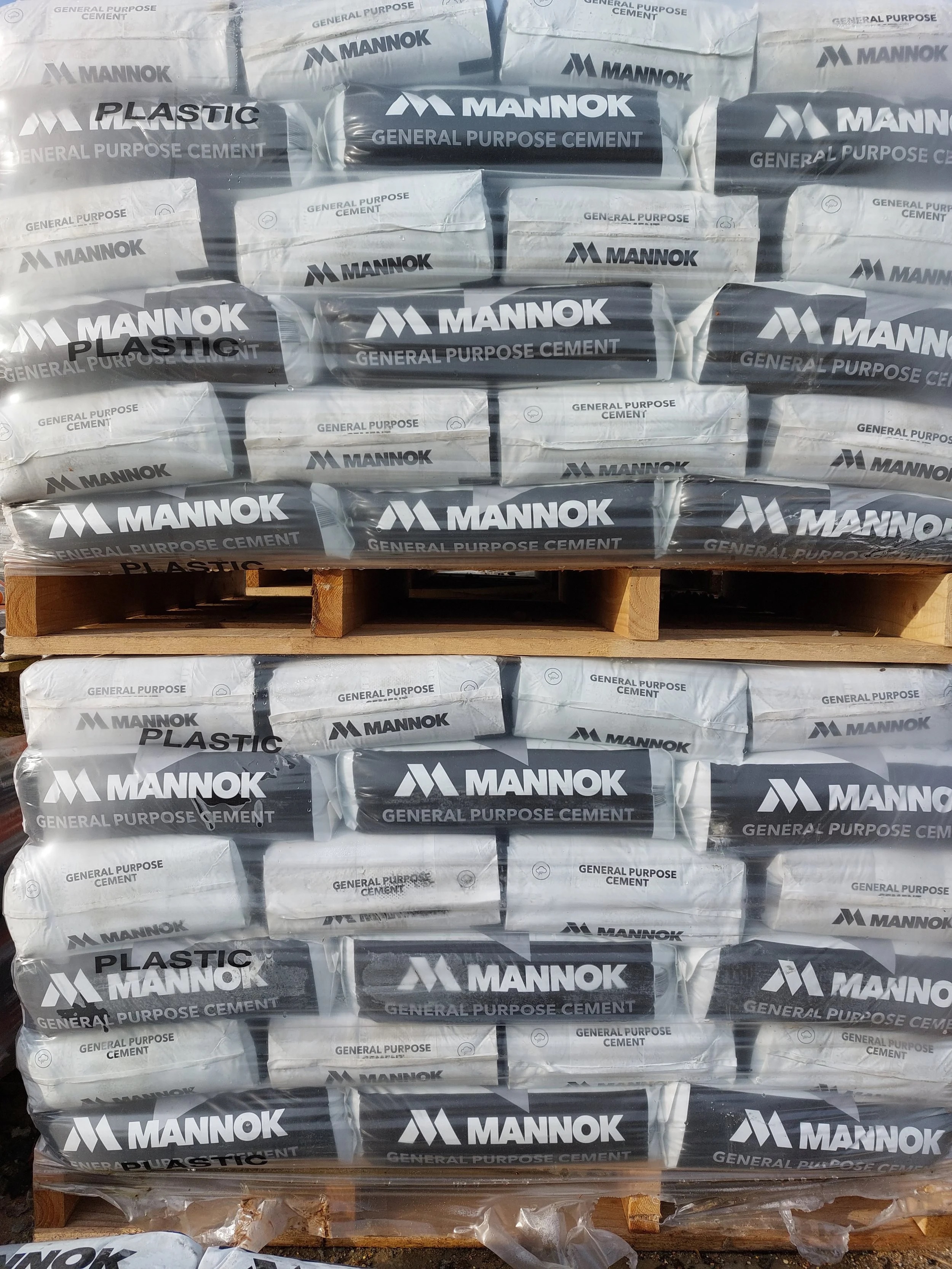
At AJ Gammond, we supply cement and building products for trade, agricultural, construction and DIY applications, including Mannok General Purpose Cement.
This guide explains the different types of cement, common applications and what to consider before buying.
What Is Cement?
Cement is a binding material used in construction. When mixed with water and other suitable materials, it forms a paste that binds aggregates together and hardens.
Cement is commonly used to make:
- Concrete
- Mortar
- Screeds
- Foundations
- Paths
- Paving
- Posts and bases
- General building repairs
Cement is not the same as concrete.
Cement is an ingredient used to make concrete.
Concrete generally consists of cement, aggregate and water, while mortar typically uses cement, sand and water.
What Is General Purpose Cement?
General purpose cement is a versatile cement suitable for a wide variety of common construction and building applications.
It is often selected for general-purpose work where a specialist cement is not required.
AJ Gammond supplies Mannok General Purpose Cement, providing a practical option for a range of construction and building applications.
Shop Mannok General Purpose Cement →
What Is Cement Used For?
Cement has a wide range of uses around construction sites, farms, homes and workshops.
Common applications include:
Concrete
Cement is combined with suitable aggregates and water to produce concrete.
Concrete can be used for:
- Foundations
- Floor slabs
- Paths
- Bases
- Posts
- Footings
- General construction
Mortar
Cement can be combined with sand and water to produce mortar for applications such as:
- Bricklaying
- Blockwork
- Masonry
- General repairs
Paving
Cement-based mixes can be used in suitable paving and landscaping applications.
Repairs
Cement-based products can be used for a range of general building repairs, depending on the application.
Always follow the manufacturer’s instructions and use the appropriate mix for the job.
Cement vs Concrete – What’s the Difference?
This is one of the most common sources of confusion.
Cement
Cement is a binding ingredient.
Concrete
Concrete is a mixture containing:
Cement + Aggregate + Water
Aggregate may include materials such as sand, gravel or crushed stone depending on the required mix.
Think of cement as one of the ingredients used to produce concrete rather than the finished concrete itself.
Cement vs Mortar
Mortar and concrete are also different.
Mortar
Mortar is generally used to bond masonry units together.
Typical applications include:
- Brickwork
- Blockwork
- Masonry
- Repointing
Concrete
Concrete is generally used where greater structural strength and mass are required.
Typical applications include:
- Foundations
- Slabs
- Bases
- Footings
- Paths
The appropriate mix depends on the intended application.
How Much Cement Do I Need?
The quantity of cement required depends on what you’re making and the size of the project.
For example, the requirements for a small repair will be very different from those for a concrete base or foundation.
Before purchasing, establish:
- Length
- Width
- Depth
- Required mix
- Aggregate requirements
- Cement requirements
- Number of bags required
For larger projects, accurate calculation is particularly important.
If you’re unsure about the required mix or quantities, consult your builder, contractor or relevant professional.
What Size Bags of Cement Are Available?
Cement is available in different pack sizes.
AJ Gammond supplies Mannok General Purpose Cement in 25kg bags, providing a convenient size for trade, building and general construction work.
A 25kg bag can be suitable where manageable individual bags are preferred for storage, transportation and mixing.
Shop 25kg Mannok General Purpose Cement →
Choosing the Right Cement
Before ordering cement, consider the application.
General Building Work
For general construction applications, a suitable general-purpose cement may be appropriate.
Concrete
If producing concrete, ensure that the cement and aggregate combination is suitable for the intended application.
Mortar
For bricklaying and blockwork, the cement should be used with an appropriate sand and mix.
Specialist Applications
Some projects require specialist cement products rather than general-purpose cement.
Always check the manufacturer’s technical information before selecting a product for a specific application.
Cement for Agricultural Applications
Cement is widely used on farms and agricultural properties.
Potential applications include:
- Building repairs
- Concrete bases
- Post foundations
- Yard repairs
- Agricultural buildings
- Machinery bases
- General maintenance
- Drainage-related construction
Agricultural projects can vary considerably, so the appropriate cement and mix should be selected for the specific application.
Cement for Building Projects
Cement can form part of many construction projects, from relatively small repairs to larger building work.
It can be used alongside other building materials including:
- Sand
- Aggregates
- Blocks
- Bricks
- Paving
- Drainage products
- Groundworks materials
AJ Gammond supplies a broad range of building, groundwork and construction products, allowing customers to source many project essentials from one supplier.
How Should Cement Be Stored?
Correct storage is important.
Cement should be kept:
- Dry
- Off the ground where appropriate
- Protected from rain
- Protected from damp conditions
- In suitable storage conditions
Moisture can cause cement to harden prematurely and affect its performance.
Always follow the manufacturer’s storage recommendations.
Does Cement Go Out of Date?
Cement has a recommended shelf life and should be stored correctly.
Exposure to moisture can cause the material to deteriorate or partially set inside the bag.
Before use, check the manufacturer’s information and inspect the product for signs of damage or deterioration.
Buying Cement – What Should I Check?
Before placing your order, consider:
1. What are you building?
Determine whether you are producing concrete, mortar or carrying out another application.
2. Which cement is specified?
Check the project requirements and manufacturer’s recommendations.
3. How much do you need?
Calculate the approximate quantity required and allow for the actual project requirements.
4. What aggregate do you need?
Concrete and mortar require appropriate additional materials.
5. How will it be stored?
Make sure you have a dry and suitable storage area.
6. How will it be transported?
A 25kg cement bag is manageable for many applications, but remember that multiple bags can become heavy quickly.
Common Cement Mistakes
Using cement when concrete is required
Cement and concrete are not the same product.
Choosing the wrong mix
Different applications require different proportions of cement, aggregate and water.
Adding too much water
Excess water can affect the resulting mix.
Always follow the appropriate mix guidance.
Poor storage
Damp conditions can damage cement before it is used.
Buying too little
Running out during a project can cause delays, so calculate quantities carefully.
Buying the wrong product
For specialist applications, a general-purpose cement may not be appropriate.
Always check the specification before purchasing.
Cement Buying Checklist
Before ordering, check:
- Application
- Required cement type
- Quantity required
- Bag size
- Aggregate requirements
- Storage arrangements
- Transport requirements
- Manufacturer specifications
- Project requirements
Frequently Asked Questions
What is cement used for?
Cement is primarily used as a binding material in construction. It is commonly used to make concrete and mortar.
What is the difference between cement and concrete?
Cement is a binding ingredient, while concrete is a mixture containing cement, aggregate and water.
What is cement used for in mortar?
Cement acts as a binder, helping hold the sand and other components together.
What is general purpose cement?
General purpose cement is designed for a range of common construction and building applications where a specialist cement is not required.
How much cement do I need for concrete?
The quantity depends on the size of the project and the required concrete mix. Calculate the volume and follow the appropriate mix specification.
Can cement be used for bricklaying?
Cement is commonly used as part of mortar for bricklaying, when mixed with suitable materials according to the required specification.
How should cement be stored?
Cement should be protected from moisture and stored according to the manufacturer’s recommendations.
How heavy is a bag of cement?
AJ Gammond supplies 25kg bags of Mannok General Purpose Cement.
Shop Cement & Building Products at AJ Gammond
AJ Gammond supplies cement and associated building products for trade, construction, agricultural and DIY customers.
A versatile general-purpose cement suitable for a range of common building and construction applications.
Shop Mannok General Purpose Cement →
Aggregates & Building Materials
Combine cement with suitable aggregates and other materials for your construction project.
Groundworks & Civils
For larger projects, AJ Gammond also supplies a range of groundworks, drainage and civils products.
Need Help Choosing Cement?
Choosing the correct cement depends on the intended application and project requirements.
Before ordering, establish:
What you’re building + required mix + quantity + cement specification.
If you’re unsure which product is suitable, check the manufacturer’s information or speak to your builder, contractor or relevant professional.
AJ Gammond – supplying cement, building materials, drainage, agricultural and trade products across the UK.