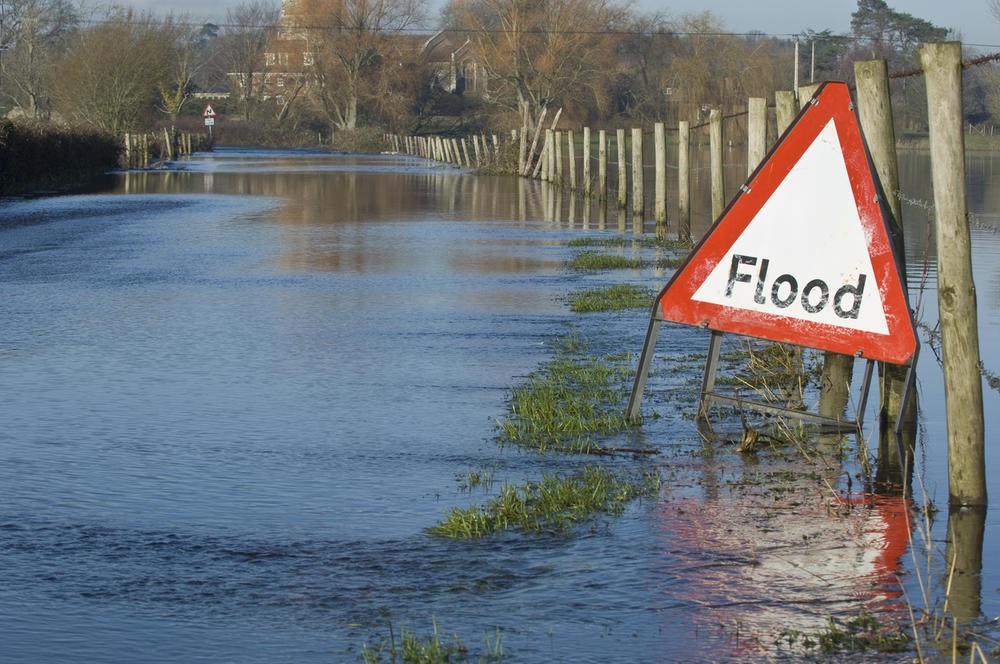
Heavy rainfall can quickly create problems around homes, farms, yards, driveways, commercial premises and construction sites.
Standing water, flooded accessways, overwhelmed drains and surface water running onto neighbouring land can all cause expensive damage and disruption.
Good storm water management is about collecting, controlling, storing and safely moving rainwater rather than simply trying to get rid of it as quickly as possible.
At AJ Gammond Agricultural & Civil Stores, we supply a range of drainage and storm water management products for agricultural, civil engineering, building, landscaping and domestic applications.
What Causes Surface Water Flooding?
Surface water flooding occurs when rainfall cannot soak into the ground or enter the drainage system quickly enough.
Common causes include:
- Heavy or prolonged rainfall
- Clay or poorly draining soils
- Tarmac and concrete surfaces
- Blocked or undersized drains
- Full or poorly designed drainage systems
- Water running down from higher ground
- New development increasing impermeable areas
- Poorly maintained ditches and drainage channels
With extreme rainfall becoming an increasingly important consideration in drainage design, managing water at the source can help reduce the pressure on downstream drainage systems. Government guidance now places greater emphasis on managing surface water naturally and as close to where it falls as practicable.
The Basic Approach to Flood Management
A good surface water system generally follows four steps:
1. Collect the water
Capture rainfall and surface water before it reaches areas where it can cause damage.
This could involve:
- Channel drains
- Gullies
- Catch pits
- Drainage channels
- Roof drainage
- Land drainage
2. Convey the water
Move the collected water safely using suitable underground drainage pipe.
Depending on the application, this may include:
- Twinwall pipe
- Solid drainage pipe
- Land drain
- Underground drainage systems
- Drainage fittings and connectors
3. Store or slow the water
Instead of sending large quantities of water into a drainage network at once, attenuation can temporarily store water and release it at a controlled rate.
This is particularly important on larger developments and sites where rainfall can generate significant runoff.
4. Discharge safely
Water needs a suitable final destination.
Depending on the site, this may include infiltration into the ground, a watercourse, surface water sewer or another suitable drainage system.
The current national SuDS standards for England set out a hierarchy that prioritises reuse and infiltration where practicable, followed by discharge to a surface water body and then piped systems.
What Is Storm Water Management?
Storm water management is the process of controlling rainfall and surface runoff to reduce the risk of flooding and minimise its impact on people, buildings, roads, land and drainage infrastructure.
It is particularly important for:
- New housing developments
- Commercial developments
- Agricultural buildings and yards
- Farms
- Industrial premises
- Car parks
- Driveways
- Roads and accessways
- Construction sites
- Large gardens and landscaped areas
The best solution depends on the size of the site, ground conditions, expected rainfall, existing drainage and available discharge points.
Sustainable Drainage Systems – SuDS
SuDS stands for Sustainable Drainage Systems.
Rather than immediately transporting rainwater away through underground pipes, SuDS aim to manage water more naturally by slowing, storing, filtering and, where appropriate, infiltrating rainfall close to where it lands.
Examples include:
- Swales
- Rain gardens
- Permeable surfaces
- Soakaways
- Infiltration systems
- Attenuation tanks
- Detention basins
- Ponds
- Filter drains
SuDS can provide benefits beyond flood management, including improved water quality, biodiversity and amenity.
For new developments, the national standards published by the UK Government in 2025 provide guidance on designing, maintaining and operating surface water drainage systems.
Soakaways & Infiltration
Where ground conditions are suitable, a soakaway or infiltration system can allow rainwater to gradually discharge into the surrounding ground.
This can be useful for:
- Roof water
- Driveways
- Domestic properties
- Extensions
- Small developments
- Agricultural buildings
However, not every site is suitable for infiltration.
Ground conditions, groundwater levels, pollution risks and the amount of water being discharged should be considered before installing an infiltration system. Site investigation and infiltration testing may be required for larger projects.
Attenuation – Storing Water During Heavy Rainfall
Attenuation is designed to temporarily store surface water and release it at a controlled rate.
This can help prevent drainage systems and watercourses being overwhelmed during periods of heavy rainfall.
Attenuation can be incorporated using systems such as:
- Underground attenuation tanks
- Crate systems
- Storage chambers
- Attenuation ponds
- Detention basins
For larger developments, the storage volume and controlled discharge rate should be calculated as part of the drainage design.
The national SuDS standards specifically require consideration of extreme rainfall, climate change and the management of flood risk both on a development and downstream.
Choosing the Right Drainage Pipe
The pipe you choose depends on what the system is designed to do.
Land Drain
Collects water from surrounding ground.
Perforated land drain is commonly used for agricultural land, paddocks, gardens and areas suffering from groundwater or poor drainage.
Solid Drainage Pipe
Carries water from one location to another.
Used for conveying collected surface water towards an outlet, chamber, soakaway or other drainage feature.
Twinwall Drainage Pipe
Designed for robust underground drainage applications.
Twinwall systems are commonly used for surface water drainage, highway, agricultural, landscaping and civil engineering applications.
The required pipe diameter and specification will depend on the drainage design, flow requirements, installation depth and loading conditions.
Flood Management Around Buildings
Water should be managed before it reaches buildings wherever possible.
Consider:
Roof water
Gutters and downpipes should direct rainwater into an appropriate drainage or collection system.
Hardstanding
Driveways, yards and paved areas can generate significant surface runoff.
Ground levels
Poorly designed falls can direct water towards buildings rather than away from them.
Surface water collection
Gullies and channels can intercept water before it reaches vulnerable areas.
Underground drainage
Collected water can then be conveyed towards an appropriate storage, infiltration or discharge point.
Agricultural & Farm Flood Management
Storm water management is particularly important around agricultural buildings, yards and accessways.
Areas to consider include:
- Farmyards
- Machinery yards
- Building entrances
- Trackways
- Livestock areas
- Hardstanding
- Field entrances
- Areas where runoff crosses a yard
- Water running from higher ground
Land drainage can help deal with water within the ground, while surface water systems can capture and convey rainfall and runoff from hardstanding.
A combination of systems is often more effective than relying on one drainage method.
Managing Water on Driveways & Hardstanding
Large impermeable surfaces can generate substantial amounts of runoff during heavy rain.
Instead of allowing water to run towards buildings or neighbouring land, consider:
- Creating appropriate surface falls
- Installing channel drainage
- Collecting water into suitable gullies
- Conveying water using underground drainage pipe
- Attenuating or infiltrating water where appropriate
- Providing a safe final discharge route
For domestic front gardens, planning rules can also apply to replacing permeable surfaces with non-porous materials. Always check the requirements that apply to your project and location.
Don’t Forget Maintenance
Even a well-designed drainage system can fail if it is not maintained.
Regularly check:
- Gullies
- Grates
- Catch pits
- Inspection chambers
- Channel drains
- Outfalls
- Ditches
- Soakaways
- Attenuation systems
- Pumps where fitted
Remove leaves, silt, mud and debris before they restrict the flow of water.
For larger SuDS installations, an appropriate management and maintenance plan should form part of the drainage system design.
Flood Management: Where Do I Start?
If you’re dealing with a flooding or surface water problem, start by asking:
Where is the water coming from?
Is it:
- Rain falling directly onto the site?
- Runoff from a roof?
- Water coming from higher ground?
- Groundwater?
- A blocked existing drainage system?
- Runoff from a road or hardstanding?
Where does the water need to go?
Identify a suitable discharge point before starting the installation.
Can the water soak away?
Ground conditions need to be suitable for infiltration.
Does the water need to be stored?
For larger developments, attenuation may be required to control the rate at which water leaves the site.
What size system is required?
Pipe diameter, storage volume, drainage capacity and discharge rates should be calculated for larger or more complex projects.
Flood & Storm Water Management at AJ Gammond
AJ Gammond supplies drainage products for agricultural, civil, building, landscaping and trade customers.
Our drainage range includes solutions for:
- Surface water drainage
- Storm water management
- Land drainage
- Twinwall drainage
- Underground drainage
- Water management
- Drainage fittings and accessories
Whether you’re dealing with a flooded yard, improving drainage around a building, managing agricultural runoff or working on a larger civil project, our team can help you identify the products required for the job.
Need Help Choosing Your Drainage?
If you’re unsure what you need, speak to the AJ Gammond team.
It helps to have the following information:
- Approximate area
- Type of surface
- Where the water is coming from
- Soil/ground conditions
- Approximate pipe run
- Existing drainage
- Proposed discharge point
- Whether vehicles or machinery will travel over the installation
Shop Storm Water Management at AJ Gammond
Find drainage products, pipework and accessories for managing surface water and storm runoff.
View Storm Water Management Products →
For larger developments, flood-risk schemes and complex drainage installations, appropriate professional drainage design, calculations and approvals should be obtained.