Underground drainage is an essential part of many domestic, agricultural, commercial and construction projects. A correctly designed drainage system helps move wastewater and surface water safely away from buildings and other areas of a site.
At AJ Gammond, we supply a wide range of underground drainage products, including drainage pipe, bends, couplers, gullies, inspection chambers, access covers and associated fittings.
This guide explains the basics of underground drainage, the different types of products available and what to consider when planning a drainage installation.
What Is Underground Drainage?
Underground drainage refers to pipework and associated components installed below ground to transport wastewater, sewage or surface water.
A typical drainage system may include a combination of:
- Underground drainage pipe
- Bends
- Couplers
- Junctions
- Adaptors
- Gullies
- Inspection chambers
- Access covers
- Drainage channels
- Manholes
- Surface water drainage products
The products required will depend on the type of drainage system being installed and the layout of the site.
Types of Underground Drainage
There are several different types of underground drainage systems, with the correct solution depending on what needs to be transported and where the water needs to go.
Foul Water Drainage
Foul water drainage carries wastewater from buildings.
This can include wastewater from:
- Toilets
- Sinks
- Baths
- Showers
- Washing machines
- Other domestic plumbing appliances
Foul drainage systems need to be correctly designed so wastewater can flow efficiently towards the appropriate sewer, treatment system or other approved destination.
AJ Gammond supplies underground drainage products suitable for a variety of foul drainage applications.
Surface Water Drainage
Surface water drainage is designed to collect and transport rainwater from areas such as:
- Roofs
- Driveways
- Roads
- Patios
- Car parks
- Yard areas
- Agricultural buildings
Products such as drainage gullies, channel drains and underground pipework can be combined to move surface water away from areas where standing water could cause problems.
Underground Drainage Pipe
Drainage pipe forms the main route through which wastewater or surface water travels.
AJ Gammond supplies underground drainage pipe in different diameters and configurations to suit a variety of applications.
The correct pipe size depends on factors such as:
- Type of drainage
- Expected flow
- Length of the drainage run
- Number of connections
- Site layout
- Existing drainage infrastructure
- Required falls
Always select pipework that is suitable for the intended application and compatible with the other components in the system.
110mm Underground Drainage
110mm drainage pipe is commonly used for domestic foul drainage applications.
It can be used as part of drainage systems serving:
- Houses
- Extensions
- Garages
- Outbuildings
- Small commercial properties
- Other domestic applications
A complete installation may require additional 110mm components, including:
- Straight pipe
- Couplers
- Bends
- Tees
- Junctions
- Adaptors
- Access fittings
AJ Gammond supplies a range of compatible drainage products to help customers build a complete system.
Larger Diameter Underground Drainage
Larger diameter pipework may be required for applications where greater flow capacity is needed.
Depending on the installation, larger drainage systems may be used for:
- Commercial developments
- Agricultural buildings
- Large properties
- Surface water systems
- Civil engineering projects
- Larger drainage networks
The correct diameter should be established during the design of the drainage system.
What Is a Drainage Gully?
A drainage gully is designed to collect surface water or wastewater and direct it into the underground drainage system.
Gullies are commonly installed around buildings, yards, driveways and other areas where water needs to be collected.
A typical system might use:
Surface water → Gully → Underground Pipe → Drainage System
The correct gully should be selected according to the intended application and the type of surface or area being drained.
What Is an Inspection Chamber?
An inspection chamber provides access to an underground drainage system.
Inspection chambers can make it easier to inspect, maintain and access drainage pipework without excavating the entire system.
They may be positioned at suitable points within a drainage run, particularly where there are changes in direction, junctions or other areas requiring access.
An inspection chamber typically consists of components such as:
- Chamber base
- Chamber risers
- Cover
- Frame
- Connections
The required chamber configuration will depend on the installation.
Drainage Access Covers
Access covers provide a removable surface over inspection chambers and other access points.
They are available in different sizes, materials and load ratings.
When selecting an access cover, consider:
- Opening size
- Installation location
- Expected loading
- Vehicle access
- Pedestrian traffic
- Surrounding surface
- Required load rating
For example, an access cover installed in a pedestrian area will have different requirements from one installed in an area regularly used by vehicles.
Always select an appropriate cover for the intended application.
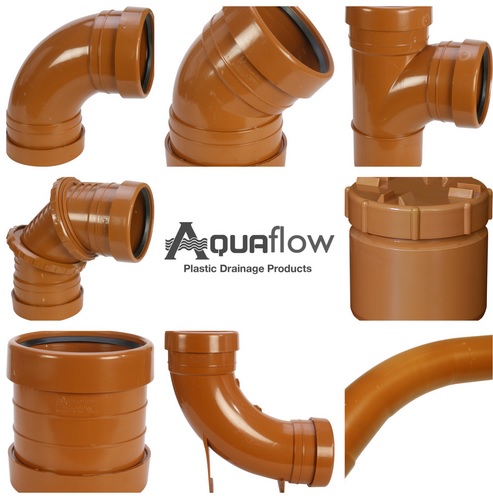
Drainage Bends, Couplers & Junctions
A drainage system requires more than straight lengths of pipe.
Bends allow the pipework to change direction.
Couplers join lengths of compatible pipe.
Junctions and tees allow additional drainage runs to connect into the system.
Adaptors can be used where different pipe types or connection sizes need to be joined.
Using compatible components helps create a properly connected drainage system.
Before ordering, check that the fittings match the pipe diameter and product system being installed.
How Much Fall Does Underground Drainage Need?
The required gradient or fall depends on the type and design of the drainage system.
A suitable fall allows wastewater to flow effectively through the pipe while helping reduce the risk of standing water and blockages.
The correct gradient should be established as part of the drainage design.
Avoid assuming that more fall is always better. Excessive gradients can affect how solids and liquids travel through some foul drainage systems.
For a new installation, we recommend confirming the required levels and gradients with a suitably qualified drainage professional.
Planning an Underground Drainage System
Before starting an underground drainage project, establish the complete route of the system.
Consider:
1. Where is the water coming from?
Identify the buildings, gullies, channels and other sources connecting to the system.
2. Where does it need to go?
Determine the approved destination for the wastewater or surface water.
3. What type of water are you dealing with?
Foul water and surface water may require different drainage arrangements.
4. What pipe size is required?
Select the appropriate diameter for the expected flow and application.
5. Where are access points required?
Inspection chambers and other access points should be positioned appropriately within the drainage system.
6. What fittings are required?
Plan for bends, couplers, junctions, tees and adaptors.
7. What are the site levels?
Establish the required pipe gradients and connection levels before excavation.
Underground Drainage for New Builds
New-build projects require careful drainage planning from the beginning.
The drainage layout may need to accommodate:
- Soil and waste connections
- Toilets
- Kitchens
- Bathrooms
- Rainwater
- Driveways
- Outbuildings
- Inspection chambers
- Connections to the existing drainage network
Planning the complete system before excavation can help avoid unnecessary alterations and additional costs later in the project.
Underground Drainage for Extensions
Extensions often require modifications to an existing drainage system.
Before building work begins, establish the location and depth of existing drainage pipes.
The new extension may require:
- New drainage runs
- New inspection chambers
- Additional connections
- Relocation of existing pipework
- New gullies
- Additional surface water drainage
Always establish the existing drainage layout before excavation.
Agricultural & Commercial Drainage
Underground drainage is not limited to domestic properties.
Agricultural and commercial sites may require drainage for:
- Farm buildings
- Yards
- Workshops
- Storage areas
- Commercial premises
- Access roads
- Car parks
- Industrial areas
These applications may require larger diameter pipework, additional drainage points or specialist surface water management solutions.
AJ Gammond supplies a range of groundworks, drainage and civils products for these applications.
Channel Drainage
Where water needs to be collected across the width of a surface, channel drainage can provide an effective collection point.
Channel drains can be used around:
- Driveways
- Garages
- Workshops
- Patios
- Commercial yards
- Agricultural buildings
- Pedestrian areas
The channel collects surface water before directing it into the underground drainage system.
AJ Gammond supplies channel drainage products and associated components, including StormDrain Plus channel drain products, end caps, end outlets and connectors.
Land Drainage
Land drainage is used to help manage excess water within soil and ground conditions.
It can be particularly useful in agricultural, landscaping and groundworks applications where excess water needs to be collected and redirected.
Land drainage products can include perforated drainage pipe and associated connectors.
Land drainage is different from foul drainage and surface water drainage, so the correct product should be selected according to the application.
What Do I Need for an Underground Drainage Project?
A typical project may require some or all of the following:
- Underground drainage pipe
- Couplers
- Bends
- Tees
- Junctions
- Adaptors
- Drainage gullies
- Inspection chambers
- Access covers
- Channel drains
- End caps
- End outlets
- Connectors
- Land drainage products
The exact requirements will depend on the size and design of the project.
Underground Drainage Buying Checklist
Before ordering your drainage products, check:
- What type of drainage system are you installing?
- Is it foul water, surface water or land drainage?
- What pipe diameter is required?
- What length of pipe do you need?
- What fittings are required?
- Where are the inspection chambers located?
- What type and load rating of access cover is required?
- What fall is required?
- Where will the water discharge?
- Are the products compatible with one another?
- Have existing drainage routes been identified?
Planning these details before purchasing can help reduce delays and avoid ordering incompatible components.
Frequently Asked Questions
What is underground drainage?
Underground drainage is a network of pipes and associated components installed below ground to transport wastewater, sewage or surface water.
What size is standard underground drainage pipe?
The required size depends on the application and drainage design. 110mm pipe is commonly used for domestic foul drainage, while larger diameters may be required for higher flow applications.
What is 110mm drainage pipe used for?
110mm drainage pipe is commonly used for domestic foul drainage systems and connections from properties and buildings.
What is an inspection chamber?
An inspection chamber provides access to underground drainage pipework for inspection, maintenance and cleaning.
Do I need an inspection chamber?
The requirement depends on the design and layout of the drainage system. Inspection chambers can provide useful access points within an underground drainage network.
What is the difference between foul and surface water drainage?
Foul drainage carries wastewater from buildings, while surface water drainage collects rainwater and runoff from surfaces such as roofs, driveways and yards.
What is channel drainage?
Channel drainage collects surface water across a linear area and directs it into an underground drainage system.
What is land drainage?
Land drainage is designed to help remove or control excess water within soil and ground conditions, commonly for agricultural, landscaping and groundworks applications.
Shop Underground Drainage at AJ Gammond
AJ Gammond supplies a wide range of underground drainage and groundworks products for domestic, agricultural, commercial and construction applications.
Browse our range of:
Underground Drainage Pipe
Shop drainage pipe in a range of sizes and lengths for suitable underground applications.
Drainage Fittings
Find bends, couplers, tees, junctions and adaptors to help complete your drainage installation.
Inspection Chambers & Access Covers
Choose inspection chamber components and access covers for drainage access and maintenance.
Drainage Gullies
Collect surface water and connect it into your underground drainage system.
Channel Drainage
Explore channel drainage and associated components for driveways, yards, buildings and other areas requiring surface water collection.
Land Drainage
Find drainage products designed to help manage excess water in agricultural, landscaping and groundworks applications.
Need Help Choosing Underground Drainage Products?
Every drainage project is different, and selecting the correct products depends on the individual installation.
If you’re unsure which pipe diameter, fittings, inspection chamber, gully or drainage product you need, contact the AJ Gammond team before ordering.
We can help you identify the key information you need to confirm with your installer or drainage professional.
AJ Gammond – supplying drainage, groundworks, agricultural, building, plumbing and trade products across the UK.